 图码
图码2.3 双链表
单链表结点中只有一个指向其后继的指针,使得单链表只能从前往后依次遍历。要访问某个结点的前驱(插入、删除操作时),只能从头开始遍历,访问前驱的时间复杂度为 O(n)。
为了克服单链表的这个缺点,引入了双链表,双链表结点中有两个指针prior和next,分别指向其直接前驱和直接后继。
双链表的主要特性
- 双向遍历由于每个节点都有前后两个指针,因此可以在列表中双向遍历,无需像单链表那样只能从头节点开始向前遍历。
- 插入与删除的便捷性:在双链表中插入或删除一个节点时,只需改变相应节点的前后节点的指针指向即可,操作相对简单高效。
数据结构
- data:数据域,也是节点的值
- prior:指针域,指向前一个结点的指针
- next:指针域,指向下一个结点的指针
- 1
- 2
- 3
- 4
- 5
- 6
- 7
- 8
- 9
- 10
- 11
- 12
- 13
- 14
- 15
typedef struct DNode {
int data; // 数据
struct DNode *prior, *next; // 前驱和后继指针
} DNode, *DLinkList;
pTemp = (DNode *)malloc(sizeof(DNode));
pTemp->data = x;
pTemp->next = pHead->next;
pTemp->prior = pHea
// 完整代码:https://totuma.cn
链表结构
💡双链表在单链表结点中增加了一个指向其前驱的指针prior ,因此双链表的按值查找和按位查找的操作与单链表的相同。但双链表在插入和删除操作的实现上,与单链表有着较大的不同。 这是因为“链”变化时也需要对指针 prior 做出修改,其关键是保证在修改的过程中不断链。 此外,双链表可以很方便地找到当前结点的前驱,因此,插入、除操作的时间复杂度仅为 O(1)。
双链表的基本操作实现
单链表的节点在需要时动态分配内存,这意味着不需要像数组那样在创建时预先分配一大片连续内存。因此,单链表在内存使用上更加灵活,可以有效应对内存碎片和动态增长的问题。
由于链表节点是在需要时分配的,可以避免数组因初始化大小不确定而造成的内存浪费。例如,如果数组大小初始化过大,未使用的部分将浪费内存;若初始化过小,则可能需要频繁重新分配和复制。
每个节点需要一个指针域来存储对下一个节点的引用,这意味着相比于数组,单链表在每个节点上都会有额外的内存开销。对于存储小数据的场景,这个开销相对较大,可能导致内存利用率下降。
按位序插入结点
该函数用于在双向链表中按指定位置插入一个新元素。(注意区分位置和下标:位置从1开始,下标从0开始)
在位置 i 插入元素 e,其中 i=1 表示插入到表头,i=length+1 表示插入到表尾。
重点注意下链表为空和不为空时的处理逻辑
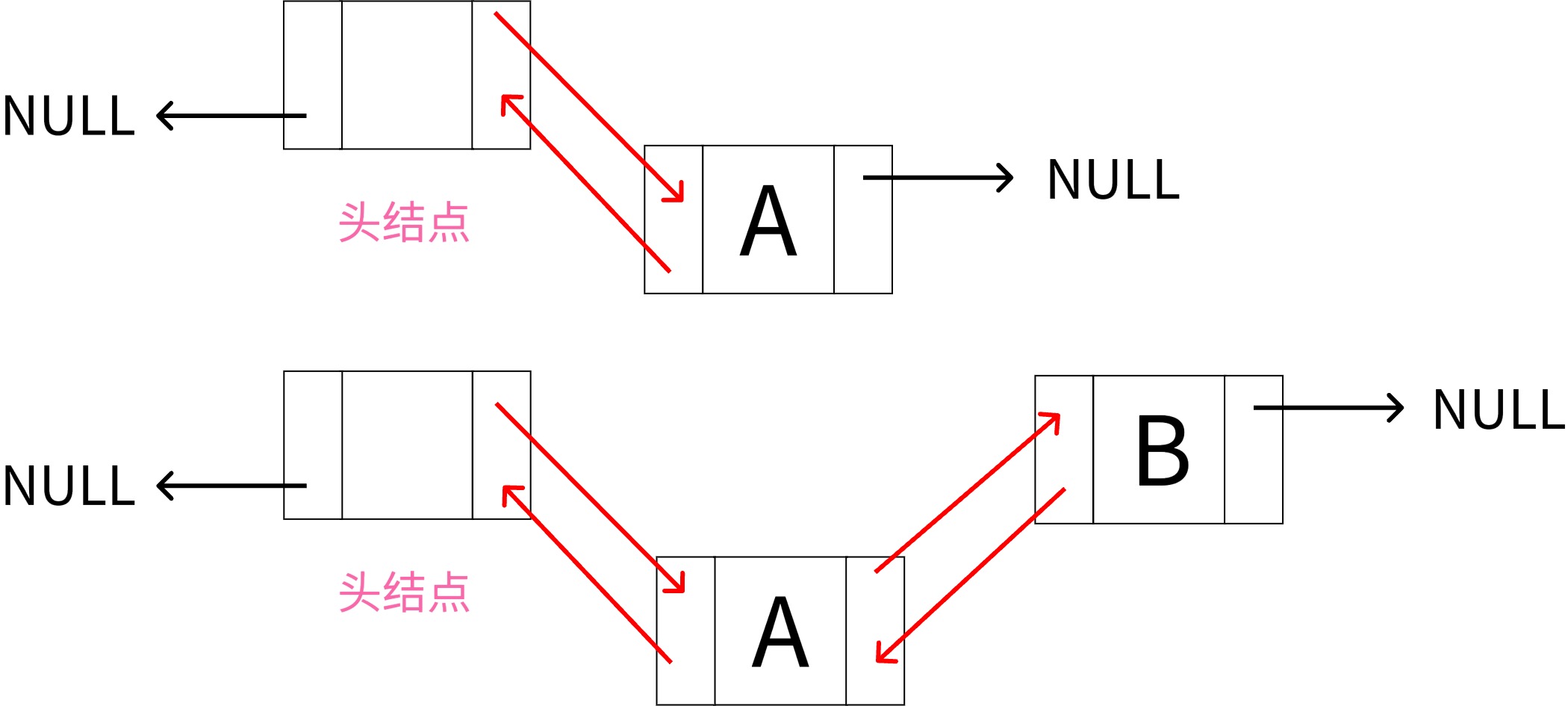
插入时链表空和不空时的区别
按位序插入结点 | 可视化完整可视化
2.3 双链表详解 - 线性表教程 使用动画可视化你的代码

线性表与链表:数据结构入门必知的核心概念
在数据结构与算法的学习过程中,线性表是最基础也是最常用的数据结构之一。许多初学者在接触链表时,常常因为抽象的概念和复杂的指针操作而感到困惑。本文将从原理、特点、应用场景以及可视化学习工具等多个角度,帮助你全面理解线性表中的链表结构。无论你是在准备算法面试,还是在学习计算机专业课程,掌握链表都将为你的编程之路打下坚实的基础。
什么是线性表?从生活实例理解抽象概念
线性表(Linear List)是数据结构中最简单、最常用的一种结构。顾名思义,线性表就是数据元素之间具有线性关系的集合。你可以把它想象成一列排队买票的人:每个人都知道自己前面是谁、后面是谁,整个队伍呈现出一种有序的、线性的排列。在计算机科学中,线性表是n个数据元素的有限序列,除了第一个元素没有前驱、最后一个元素没有后继外,其他每个元素都有且仅有一个直接前驱和一个直接后继。
线性表有两种主要的存储结构:顺序存储结构(也就是数组)和链式存储结构(也就是链表)。数组在内存中是连续存储的,而链表则通过指针将分散的内存块串联起来。理解这两种结构的区别,是学习数据结构的第一个关键转折点。
链表:动态存储的线性表实现
链表(Linked List)是一种物理存储单元上非连续、非顺序的线性表结构。它通过每个节点中的指针(引用)将各个节点连接起来。每个节点通常包含两部分:数据域(存储数据元素)和指针域(存储下一个节点的地址)。根据指针的链接方式,链表主要分为单向链表、双向链表和循环链表三种类型。
单向链表:最简单的链表形式
单向链表(Singly Linked List)是最基础的链表结构。每个节点只包含一个指向下一个节点的指针,链表的最后一个节点指向空(null)。从头节点开始,可以依次访问链表中的每一个元素,但无法反向遍历。这种结构的特点是插入和删除操作非常高效,只需要修改相邻节点的指针即可,时间复杂度为O(1)。但查找某个元素时,需要从头开始遍历,时间复杂度为O(n)。
双向链表:支持双向遍历的改进型
双向链表(Doubly Linked List)在单向链表的基础上,为每个节点增加了指向前一个节点的指针。这意味着你可以从任意节点向前或向后遍历整个链表。虽然每个节点需要多存储一个指针,占用了更多内存空间,但双向链表在删除节点、反向遍历等操作上更加灵活高效。实际应用中,Java的LinkedList、Python的collections.deque都是双向链表的典型实现。
循环链表:首尾相连的特殊结构
循环链表(Circular Linked List)是一种特殊的链表形式,其最后一个节点的指针不再指向空,而是指向头节点,形成一个闭环。这种结构非常适合需要循环访问数据的场景,比如操作系统的任务调度、约瑟夫环问题等。循环链表可以是单向的,也可以是双向的。
链表的核心操作:增删改查的深入剖析
理解链表的关键在于掌握其基本操作。链表的插入操作可以分为头插法、尾插法和中间插入。头插法将新节点插入到链表头部,时间复杂度为O(1);尾插法需要遍历到链表尾部,时间复杂度为O(n);中间插入则需要先找到插入位置的前驱节点。删除操作同样需要找到目标节点的前驱节点,通过修改指针来跳过被删的节点。查找操作和修改操作都需要遍历链表,时间复杂度为O(n)。
特别需要注意的是,在实现链表操作时,一定要考虑边界情况:空链表、只有一个节点的链表、操作头节点和尾节点时的特殊处理。很多初学者在写链表代码时出错,都是因为忽略了这些边界条件。
链表与数组的对比:选择合适的数据结构
数组和链表是线性表的两种基本实现方式,它们各有优劣。数组支持随机访问,通过下标可以在O(1)时间内访问任意元素;但数组的插入和删除操作需要移动大量元素,时间复杂度为O(n)。链表的优势在于插入和删除操作非常高效,只需要修改指针;但链表不支持随机访问,查找元素需要遍历。另外,数组需要预先分配连续的内存空间,容易造成内存浪费或溢出;链表则采用动态内存分配,内存利用率更高,但每个节点需要额外的指针存储空间。
在实际开发中,选择哪种数据结构取决于具体需求:如果需要频繁的随机访问,数组是更好的选择;如果需要频繁的插入和删除操作,链表则更为合适。很多高级数据结构,如栈、队列、哈希表等,都可以基于链表或数组实现。
链表的经典应用场景:从理论到实践
链表在计算机科学中有着广泛的应用。在操作系统领域,进程调度中经常使用链表来管理进程控制块(PCB);在文件系统中,文件分配表(FAT)就是基于链表实现的;在编程语言层面,许多内置的数据结构底层都使用了链表,比如Java的LinkedList、Python的list(实际上是动态数组和链表的混合体)。
在算法面试中,链表相关的题目也是高频考点。常见的题目包括:反转链表、合并两个有序链表、判断链表是否有环、找到链表的中间节点、删除链表倒数第N个节点等。这些题目不仅考察对链表结构的理解,还考察指针操作和边界条件处理的熟练程度。
此外,链表还常用于实现LRU缓存淘汰算法。LRU(Least Recently Used)算法需要快速地在缓存中查找、插入和删除数据,双向链表加哈希表的组合(LinkedHashMap)能够完美地满足这些需求,在O(1)时间内完成所有操作。
数据结构可视化平台:让抽象概念变得触手可及
对于许多学习者来说,链表的指针操作非常抽象,仅仅通过文字和静态图片很难理解其动态过程。这正是数据结构可视化学习平台的价值所在。通过可视化的方式,你可以直观地看到每个节点的创建、指针的指向变化、插入和删除操作的完整过程。
可视化平台的核心功能
一个优秀的数据结构可视化平台通常提供以下功能:第一,动态演示功能,能够以动画的形式展示链表的插入、删除、查找、反转等操作的每一步执行过程;第二,代码同步功能,在可视化演示的同时,高亮显示对应的代码行,帮助你将抽象概念与实际代码对应起来;第三,交互式操作功能,允许你手动执行操作,比如点击按钮插入一个节点,或者拖拽节点改变链表结构;第四,多种数据结构支持,不仅限于链表,还包括数组、栈、队列、树、图等。
可视化学习链表的优势
使用可视化平台学习链表,能够带来以下好处:首先,直观理解指针的本质。很多初学者对指针感到恐惧,但通过可视化,你可以清晰地看到指针就是一条从节点A指向节点B的箭头,修改指针就是改变箭头的指向。其次,快速定位错误。当你在编写链表代码时遇到bug,可以在可视化平台上逐步执行代码,观察每一步操作后链表的状态,从而快速找到问题所在。最后,加深记忆。视觉记忆往往比文字记忆更深刻,通过观看链表的动态演示,你能够更好地记住链表的操作逻辑。
如何高效使用可视化平台学习链表
要充分利用可视化平台,建议按照以下步骤进行学习:第一步,先观看平台提供的链表基础演示,了解单向链表、双向链表、循环链表的基本结构和操作流程。第二步,跟着演示自己动手操作,比如手动插入三个节点,然后删除第二个节点,观察指针的变化。第三步,在平台上运行链表相关的代码,逐步调试,观察每一步执行结果。第四步,尝试解决一些链表算法题,比如反转链表,在平台上验证你的思路是否正确。第五步,对比不同链表操作的效率,比如头插法和尾插法的时间复杂度差异,通过可视化加深理解。
链表常见陷阱与易错点:避开学习误区
在学习链表的过程中,有几个常见的陷阱需要特别注意。第一个陷阱是丢失指针:在插入或删除节点时,如果没有按照正确的顺序修改指针,可能会导致链表断裂或内存泄漏。比如在单向链表的中间插入节点时,应该先将新节点的next指向后继节点,再将前驱节点的next指向新节点,这个顺序不能颠倒。第二个陷阱是空指针异常:在访问链表节点时,必须先判断节点是否为空,否则会引发空指针异常。第三个陷阱是死循环:在操作循环链表或反转链表时,如果指针修改不当,可能会造成链表成环,导致遍历时陷入死循环。第四个陷阱是边界处理:操作头节点和尾节点时,需要特殊处理,比如在头节点前插入节点时,需要更新头指针。
为了避免这些错误,建议在编写链表代码时养成以下好习惯:在修改指针前,先画出示意图;在操作前先判断边界条件;在关键位置添加注释;使用断言或日志来验证链表状态。同时,利用可视化平台进行调试,能够显著提高学习效率。
从链表到高级数据结构:构建完整的知识体系
链表不仅是独立的数据结构,也是构建更复杂数据结构的基础。例如,栈可以使用链表实现(链式栈),队列可以使用链表实现(链式队列),图可以使用邻接表(链表数组)来表示。理解链表的工作原理,对于学习树、图等非线性结构也大有裨益。二叉树的遍历、图的深度优先搜索等算法,本质上都依赖于对节点和指针的操作。
此外,链表的变种和扩展也值得关注:跳表(Skip List)是在链表基础上增加了多级索引,实现了类似二分查找的效率;块状链表(Block Linked List)结合了数组和链表的优点,在内存管理中有重要应用;十字链表(Orthogonal List)用于存储稀疏矩阵。这些高级数据结构都建立在链表的基本概念之上。
结语:掌握链表,开启数据结构学习之门
链表作为数据结构与算法学习的入门基石,其重要性不言而喻。通过本文的介绍,相信你已经对线性表与链表的原理、特点、应用场景有了全面的认识。链表的学习不仅仅是记住代码模板,更重要的是理解指针操作的本质和边界条件的处理。而数据结构可视化平台,正是帮助你实现这一目标的最佳工具。它让抽象的概念变得直观,让复杂的操作变得清晰,让枯燥的调试变得有趣。
无论你是正在准备考研、求职面试,还是单纯想提升编程内功,掌握链表都是不可或缺的一步。建议你在学习过程中,多动手、多画图、多使用可视化工具,将理论与实践紧密结合。只有真正理解了链表的工作原理,才能在面对更复杂的数据结构时游刃有余。现在就打开我们的数据结构可视化平台,开始你的链表学习之旅吧!
按位序删除结点
该函数用于按位序删除节点的功能。具体来说,当参数 i 为 1 时,删除链表的 头节点;当 i 等于链表长度时,删除链表的 尾节点。
重点注意下链表为空和不为空时的处理逻辑
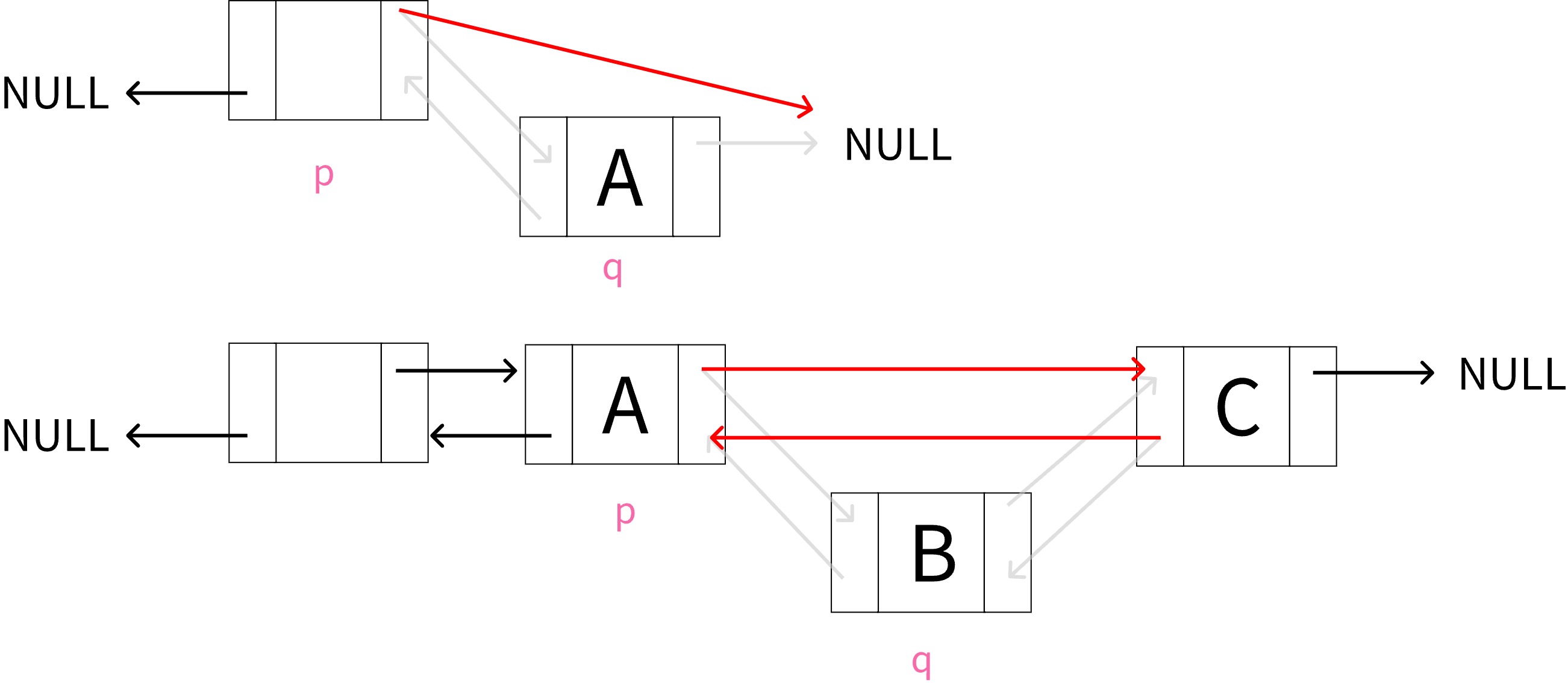
删除时链表空和不空时的区别
按位序删除结点 | 可视化完整可视化
2.3 双链表详解 - 线性表教程 使用动画可视化你的代码
线性表与链表:数据结构入门必知的核心概念
在数据结构与算法的学习过程中,线性表是最基础也是最常用的数据结构之一。许多初学者在接触链表时,常常因为抽象的概念和复杂的指针操作而感到困惑。本文将从原理、特点、应用场景以及可视化学习工具等多个角度,帮助你全面理解线性表中的链表结构。无论你是在准备算法面试,还是在学习计算机专业课程,掌握链表都将为你的编程之路打下坚实的基础。
什么是线性表?从生活实例理解抽象概念
线性表(Linear List)是数据结构中最简单、最常用的一种结构。顾名思义,线性表就是数据元素之间具有线性关系的集合。你可以把它想象成一列排队买票的人:每个人都知道自己前面是谁、后面是谁,整个队伍呈现出一种有序的、线性的排列。在计算机科学中,线性表是n个数据元素的有限序列,除了第一个元素没有前驱、最后一个元素没有后继外,其他每个元素都有且仅有一个直接前驱和一个直接后继。
线性表有两种主要的存储结构:顺序存储结构(也就是数组)和链式存储结构(也就是链表)。数组在内存中是连续存储的,而链表则通过指针将分散的内存块串联起来。理解这两种结构的区别,是学习数据结构的第一个关键转折点。
链表:动态存储的线性表实现
链表(Linked List)是一种物理存储单元上非连续、非顺序的线性表结构。它通过每个节点中的指针(引用)将各个节点连接起来。每个节点通常包含两部分:数据域(存储数据元素)和指针域(存储下一个节点的地址)。根据指针的链接方式,链表主要分为单向链表、双向链表和循环链表三种类型。
单向链表:最简单的链表形式
单向链表(Singly Linked List)是最基础的链表结构。每个节点只包含一个指向下一个节点的指针,链表的最后一个节点指向空(null)。从头节点开始,可以依次访问链表中的每一个元素,但无法反向遍历。这种结构的特点是插入和删除操作非常高效,只需要修改相邻节点的指针即可,时间复杂度为O(1)。但查找某个元素时,需要从头开始遍历,时间复杂度为O(n)。
双向链表:支持双向遍历的改进型
双向链表(Doubly Linked List)在单向链表的基础上,为每个节点增加了指向前一个节点的指针。这意味着你可以从任意节点向前或向后遍历整个链表。虽然每个节点需要多存储一个指针,占用了更多内存空间,但双向链表在删除节点、反向遍历等操作上更加灵活高效。实际应用中,Java的LinkedList、Python的collections.deque都是双向链表的典型实现。
循环链表:首尾相连的特殊结构
循环链表(Circular Linked List)是一种特殊的链表形式,其最后一个节点的指针不再指向空,而是指向头节点,形成一个闭环。这种结构非常适合需要循环访问数据的场景,比如操作系统的任务调度、约瑟夫环问题等。循环链表可以是单向的,也可以是双向的。
链表的核心操作:增删改查的深入剖析
理解链表的关键在于掌握其基本操作。链表的插入操作可以分为头插法、尾插法和中间插入。头插法将新节点插入到链表头部,时间复杂度为O(1);尾插法需要遍历到链表尾部,时间复杂度为O(n);中间插入则需要先找到插入位置的前驱节点。删除操作同样需要找到目标节点的前驱节点,通过修改指针来跳过被删的节点。查找操作和修改操作都需要遍历链表,时间复杂度为O(n)。
特别需要注意的是,在实现链表操作时,一定要考虑边界情况:空链表、只有一个节点的链表、操作头节点和尾节点时的特殊处理。很多初学者在写链表代码时出错,都是因为忽略了这些边界条件。
链表与数组的对比:选择合适的数据结构
数组和链表是线性表的两种基本实现方式,它们各有优劣。数组支持随机访问,通过下标可以在O(1)时间内访问任意元素;但数组的插入和删除操作需要移动大量元素,时间复杂度为O(n)。链表的优势在于插入和删除操作非常高效,只需要修改指针;但链表不支持随机访问,查找元素需要遍历。另外,数组需要预先分配连续的内存空间,容易造成内存浪费或溢出;链表则采用动态内存分配,内存利用率更高,但每个节点需要额外的指针存储空间。
在实际开发中,选择哪种数据结构取决于具体需求:如果需要频繁的随机访问,数组是更好的选择;如果需要频繁的插入和删除操作,链表则更为合适。很多高级数据结构,如栈、队列、哈希表等,都可以基于链表或数组实现。
链表的经典应用场景:从理论到实践
链表在计算机科学中有着广泛的应用。在操作系统领域,进程调度中经常使用链表来管理进程控制块(PCB);在文件系统中,文件分配表(FAT)就是基于链表实现的;在编程语言层面,许多内置的数据结构底层都使用了链表,比如Java的LinkedList、Python的list(实际上是动态数组和链表的混合体)。
在算法面试中,链表相关的题目也是高频考点。常见的题目包括:反转链表、合并两个有序链表、判断链表是否有环、找到链表的中间节点、删除链表倒数第N个节点等。这些题目不仅考察对链表结构的理解,还考察指针操作和边界条件处理的熟练程度。
此外,链表还常用于实现LRU缓存淘汰算法。LRU(Least Recently Used)算法需要快速地在缓存中查找、插入和删除数据,双向链表加哈希表的组合(LinkedHashMap)能够完美地满足这些需求,在O(1)时间内完成所有操作。
数据结构可视化平台:让抽象概念变得触手可及
对于许多学习者来说,链表的指针操作非常抽象,仅仅通过文字和静态图片很难理解其动态过程。这正是数据结构可视化学习平台的价值所在。通过可视化的方式,你可以直观地看到每个节点的创建、指针的指向变化、插入和删除操作的完整过程。
可视化平台的核心功能
一个优秀的数据结构可视化平台通常提供以下功能:第一,动态演示功能,能够以动画的形式展示链表的插入、删除、查找、反转等操作的每一步执行过程;第二,代码同步功能,在可视化演示的同时,高亮显示对应的代码行,帮助你将抽象概念与实际代码对应起来;第三,交互式操作功能,允许你手动执行操作,比如点击按钮插入一个节点,或者拖拽节点改变链表结构;第四,多种数据结构支持,不仅限于链表,还包括数组、栈、队列、树、图等。
可视化学习链表的优势
使用可视化平台学习链表,能够带来以下好处:首先,直观理解指针的本质。很多初学者对指针感到恐惧,但通过可视化,你可以清晰地看到指针就是一条从节点A指向节点B的箭头,修改指针就是改变箭头的指向。其次,快速定位错误。当你在编写链表代码时遇到bug,可以在可视化平台上逐步执行代码,观察每一步操作后链表的状态,从而快速找到问题所在。最后,加深记忆。视觉记忆往往比文字记忆更深刻,通过观看链表的动态演示,你能够更好地记住链表的操作逻辑。
如何高效使用可视化平台学习链表
要充分利用可视化平台,建议按照以下步骤进行学习:第一步,先观看平台提供的链表基础演示,了解单向链表、双向链表、循环链表的基本结构和操作流程。第二步,跟着演示自己动手操作,比如手动插入三个节点,然后删除第二个节点,观察指针的变化。第三步,在平台上运行链表相关的代码,逐步调试,观察每一步执行结果。第四步,尝试解决一些链表算法题,比如反转链表,在平台上验证你的思路是否正确。第五步,对比不同链表操作的效率,比如头插法和尾插法的时间复杂度差异,通过可视化加深理解。
链表常见陷阱与易错点:避开学习误区
在学习链表的过程中,有几个常见的陷阱需要特别注意。第一个陷阱是丢失指针:在插入或删除节点时,如果没有按照正确的顺序修改指针,可能会导致链表断裂或内存泄漏。比如在单向链表的中间插入节点时,应该先将新节点的next指向后继节点,再将前驱节点的next指向新节点,这个顺序不能颠倒。第二个陷阱是空指针异常:在访问链表节点时,必须先判断节点是否为空,否则会引发空指针异常。第三个陷阱是死循环:在操作循环链表或反转链表时,如果指针修改不当,可能会造成链表成环,导致遍历时陷入死循环。第四个陷阱是边界处理:操作头节点和尾节点时,需要特殊处理,比如在头节点前插入节点时,需要更新头指针。
为了避免这些错误,建议在编写链表代码时养成以下好习惯:在修改指针前,先画出示意图;在操作前先判断边界条件;在关键位置添加注释;使用断言或日志来验证链表状态。同时,利用可视化平台进行调试,能够显著提高学习效率。
从链表到高级数据结构:构建完整的知识体系
链表不仅是独立的数据结构,也是构建更复杂数据结构的基础。例如,栈可以使用链表实现(链式栈),队列可以使用链表实现(链式队列),图可以使用邻接表(链表数组)来表示。理解链表的工作原理,对于学习树、图等非线性结构也大有裨益。二叉树的遍历、图的深度优先搜索等算法,本质上都依赖于对节点和指针的操作。
此外,链表的变种和扩展也值得关注:跳表(Skip List)是在链表基础上增加了多级索引,实现了类似二分查找的效率;块状链表(Block Linked List)结合了数组和链表的优点,在内存管理中有重要应用;十字链表(Orthogonal List)用于存储稀疏矩阵。这些高级数据结构都建立在链表的基本概念之上。
结语:掌握链表,开启数据结构学习之门
链表作为数据结构与算法学习的入门基石,其重要性不言而喻。通过本文的介绍,相信你已经对线性表与链表的原理、特点、应用场景有了全面的认识。链表的学习不仅仅是记住代码模板,更重要的是理解指针操作的本质和边界条件的处理。而数据结构可视化平台,正是帮助你实现这一目标的最佳工具。它让抽象的概念变得直观,让复杂的操作变得清晰,让枯燥的调试变得有趣。
无论你是正在准备考研、求职面试,还是单纯想提升编程内功,掌握链表都是不可或缺的一步。建议你在学习过程中,多动手、多画图、多使用可视化工具,将理论与实践紧密结合。只有真正理解了链表的工作原理,才能在面对更复杂的数据结构时游刃有余。现在就打开我们的数据结构可视化平台,开始你的链表学习之旅吧!